Motion & duty cycle
Continuous/peak loads, speed, acceleration, cycle time and daily hours; confirm braking and anti-drop for vertical axes.
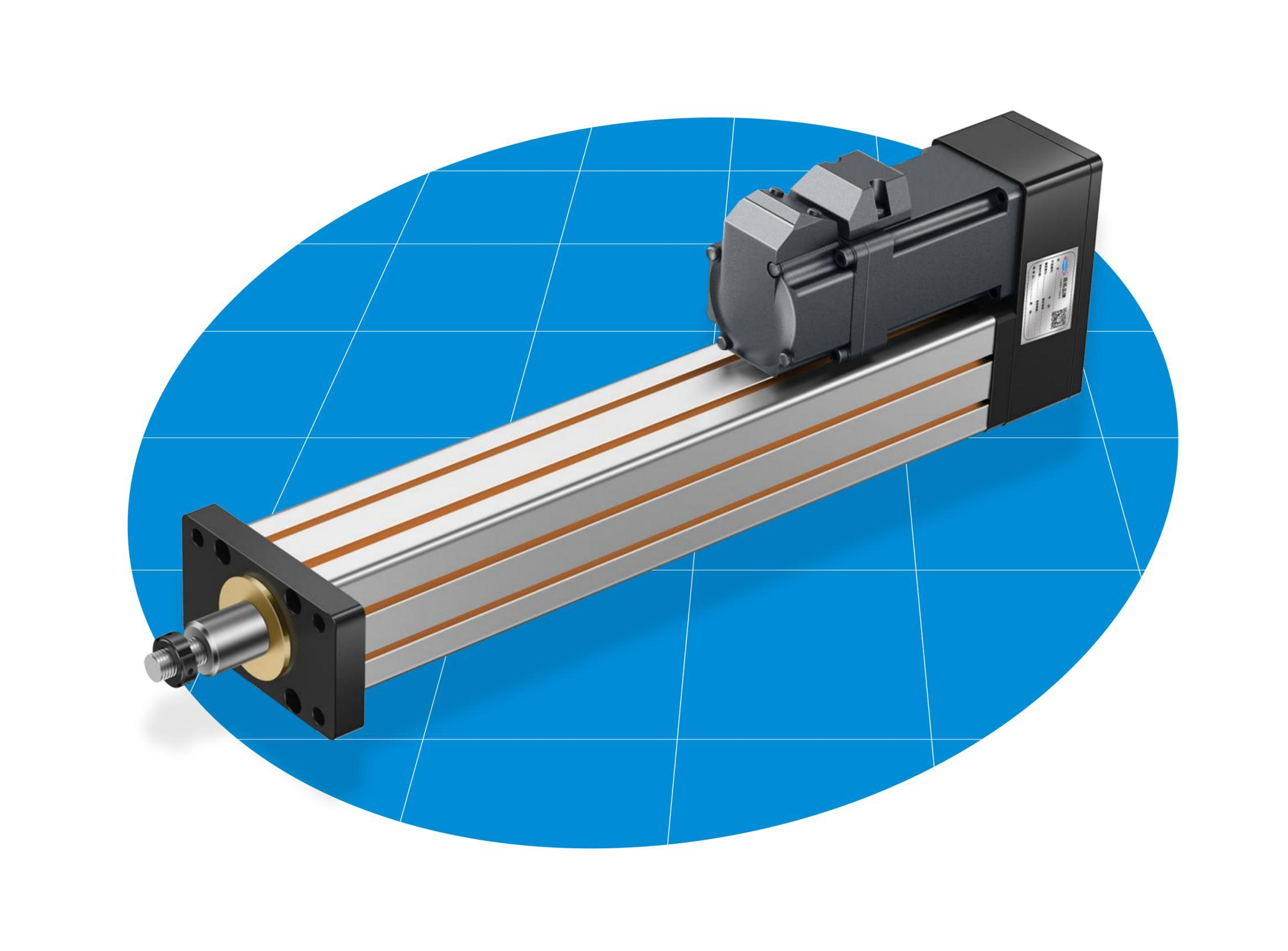
Catalogue image · Configuration subject to proposal
Converts servo rotation into controlled linear motion, selected by load, stroke, speed and installation space.
This page introduces the product family. Final specifications, features and scope are defined in the agreed technical proposal.
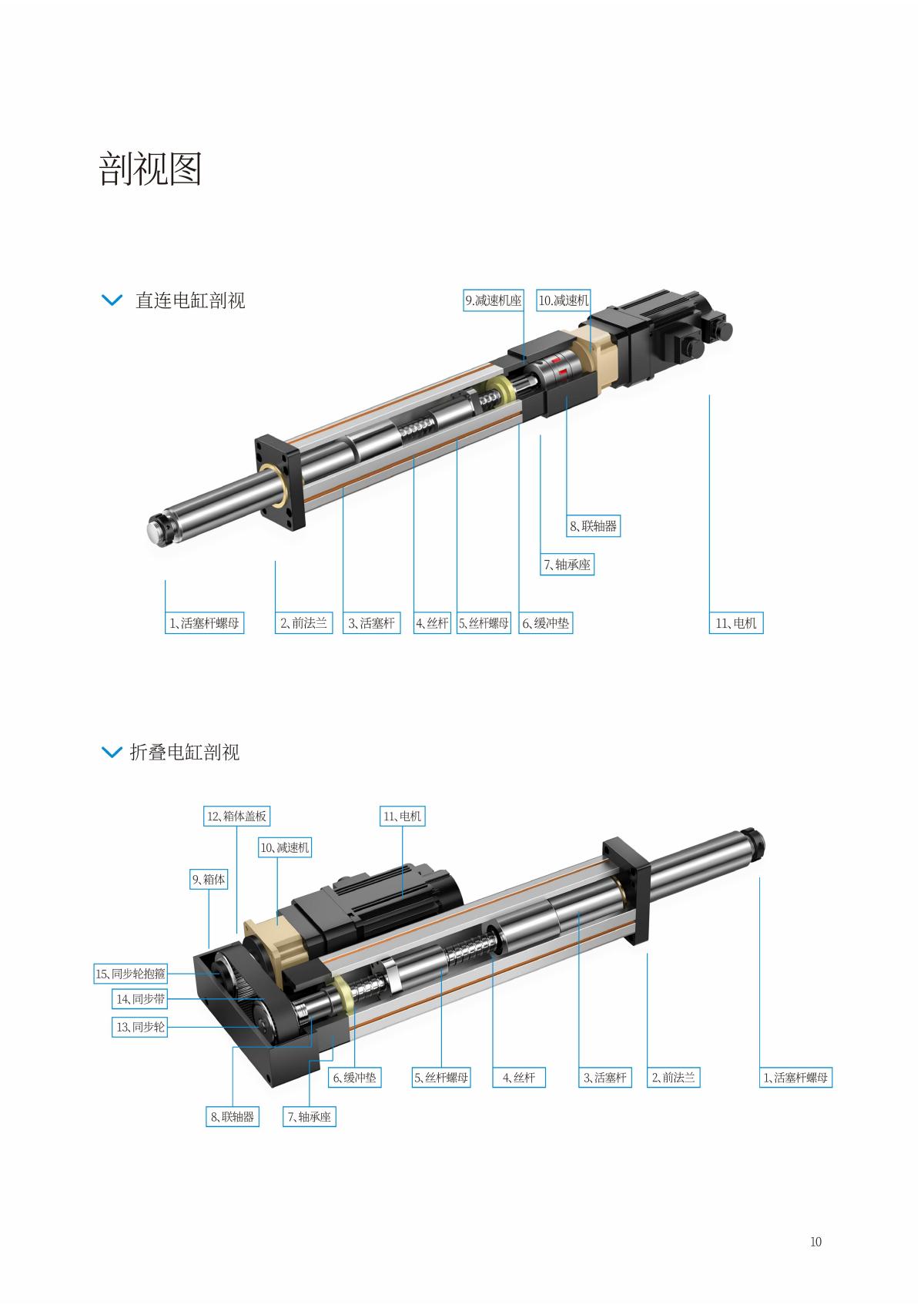
A servo motor and screw mechanism convert rotary motion into linear motion. In-line and parallel layouts package the motor differently; choose using axial length, side clearance, flange mounting and the connected load.
Provide continuous/peak thrust, travel, working and return speed, acceleration, duty cycle and mounting orientation together. Vertical loads, force holding, eccentric loading and the environment require separate evaluation. Maximum thrust alone is insufficient for selection.
Catalogue frame sizes and strokes describe a family, not a promise that all force, speed and travel limits can be achieved simultaneously. Size the motor, reduction ratio, screw lead and operating cycle together.
Illustrative sequence; validate targets, speed, time and evaluation criteria for the part.
 View full image ⤢
The handbook compares motor, transmission and screw arrangements. Evaluate overall length, width and maintenance access, then select torque, ratio, lead and duty cycle together. This supplier reference does not define dimensions or rated loads for a specific product on this site.
Third-party reference · Image source:Electric-cylinder handbook · PDF p.2 / printed p.10Continuous/peak loads, speed, acceleration, cycle time and daily hours; confirm braking and anti-drop for vertical axes.
Force, working stroke, daylight, table and eccentric loads; check tooling and loading clearance together.
Scope for actuator, motor/drive, sensors, controller, cables, tooling and guarding; define PLC/MES interfaces.
Evaluate force, speed, stroke, load direction and duty cycle together.
Read the guide ↗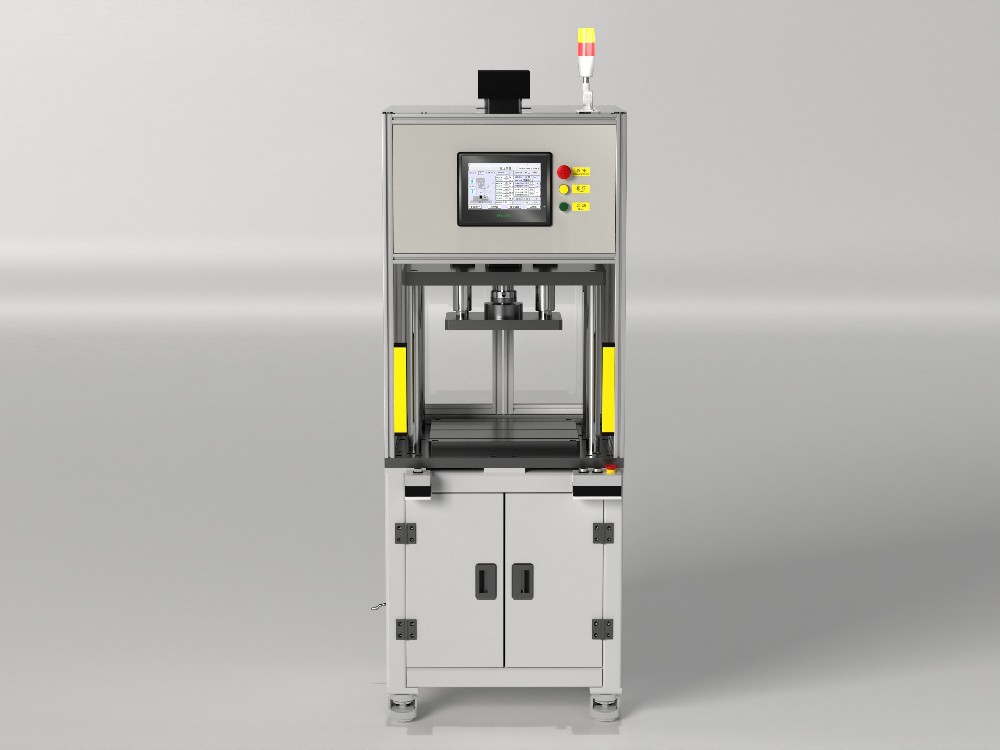 ↗
A four-column guided platform for press fitting, forming and fixture integration.
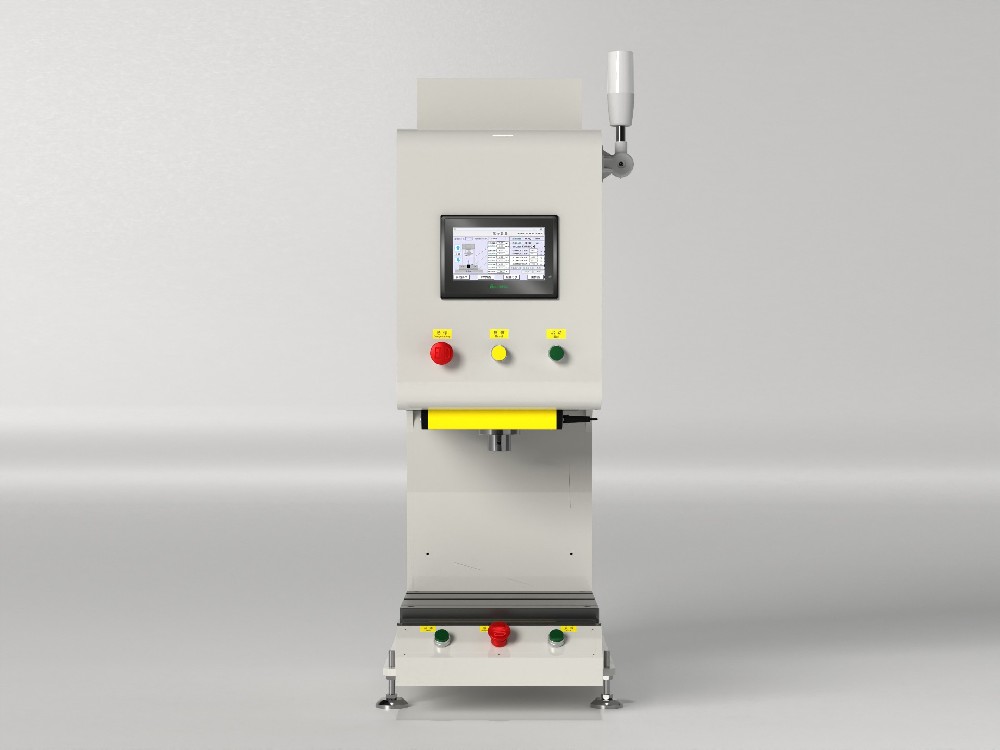 ↗
Open access for loading and tooling adjustments in stand-alone assembly stations.
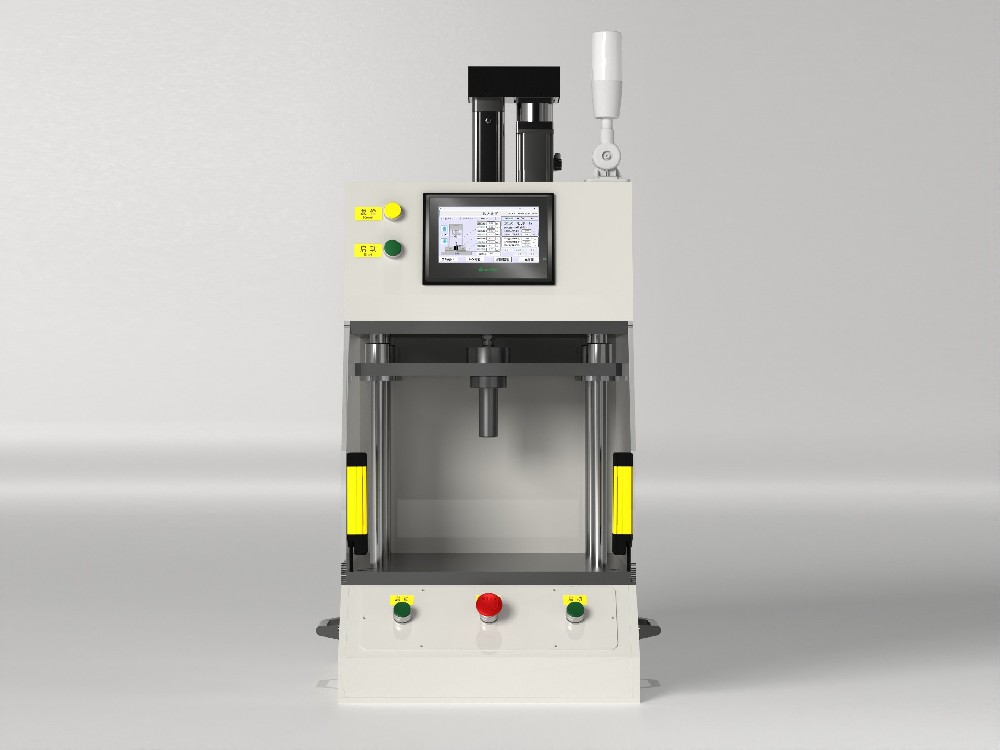 ↗
A compact benchtop layout for small-part assembly and process trials with dedicated fixtures.
Tell us about your part, process and cycle requirements. Start with an engineering conversation.