Thermal process
Material grade, heated area, tool shape, heating zones, dwell/cooling time, forming and pull-out criteria.
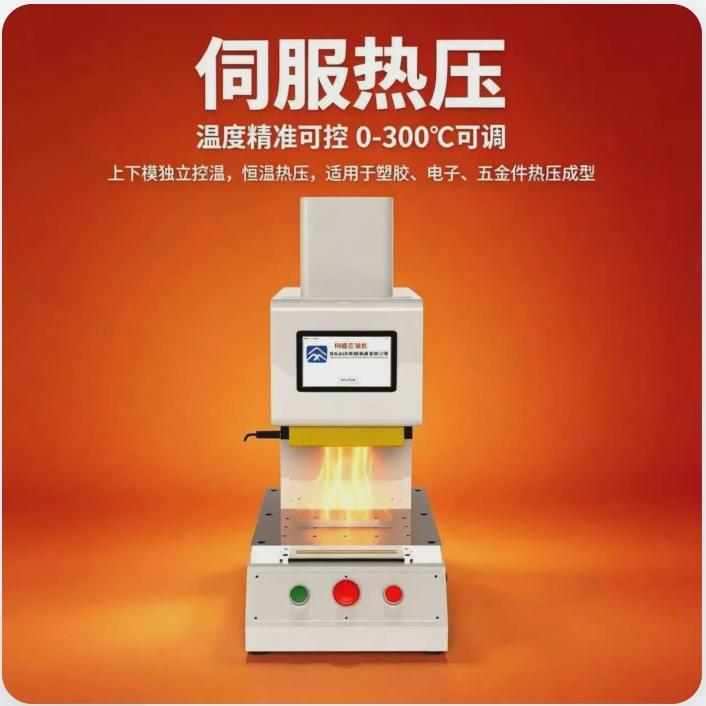
Catalogue image · Configuration subject to proposal
Combines servo force and temperature control for validated plastic heat staking, bonding and hot pressing processes.
This page introduces the product family. Final specifications, features and scope are defined in the agreed technical proposal.
Coordinates servo force, temperature and dwell for validated plastic heat staking, electronic bonding and hot forming. Selection includes material softening conditions, head geometry, upper/lower heating zones, fixture insulation and cooling time.
The general hot press and four-column benchtop hot press have separate parameter descriptions. Specify independent zone control, temperature records and export formats in the quotation.
Trials assess stake appearance, final height, thermal effects and part release. Temperature control error should not be interpreted as platen-wide temperature uniformity.
View full image ⤢The general hot-press concept combines heated tooling, servo pressure control and dwell. The brochure describes independent upper/lower tool temperature control; verify zones, sensor locations and tooling for asymmetric or layered parts. The illustrated configuration is 0–300°C, ±1°C, separate from the benchtop four-column 50–350°C, ≤±2°C configuration.
Illustrative sequence; validate targets, speed, time and evaluation criteria for the part.
| Item | General brochure configuration | Benchtop four-column introduction |
|---|---|---|
| Temperature range | 0–300°C | 50–350°C |
| Control specification | ±1°C | ≤±2°C |
| Source | Zhongcheng brochure p.8 | Benchtop hot-press introduction p.6 |
Figures belong to separate configuration documents. Control specifications do not establish platen temperature uniformity; confirm force, stroke, table, heating zones and final configuration separately.
Material grade, heated area, tool shape, heating zones, dwell/cooling time, forming and pull-out criteria.
Force, working stroke, daylight, table and eccentric loads; check tooling and loading clearance together.
Good and defective samples, evaluation rules, result or full-curve retention, barcodes and interfaces.
Evaluate temperature, force, displacement and time as one process.
Read the guide ↗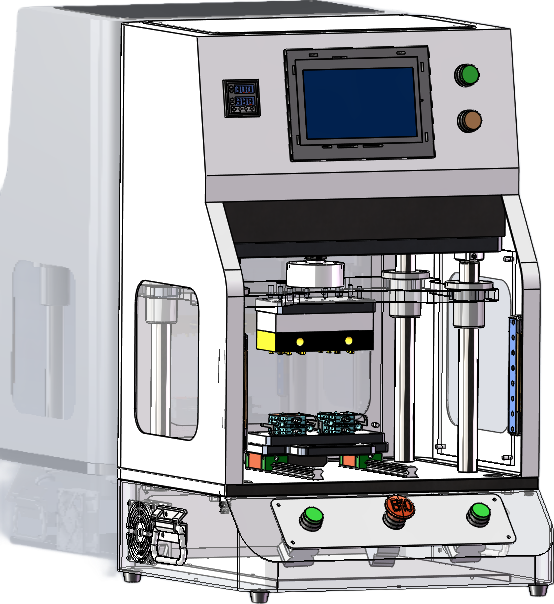 ↗
A four-column, three-platen structure with force/position feedback, PID heating and non-stick tooling for multi-point plastic heat staking and bonding.
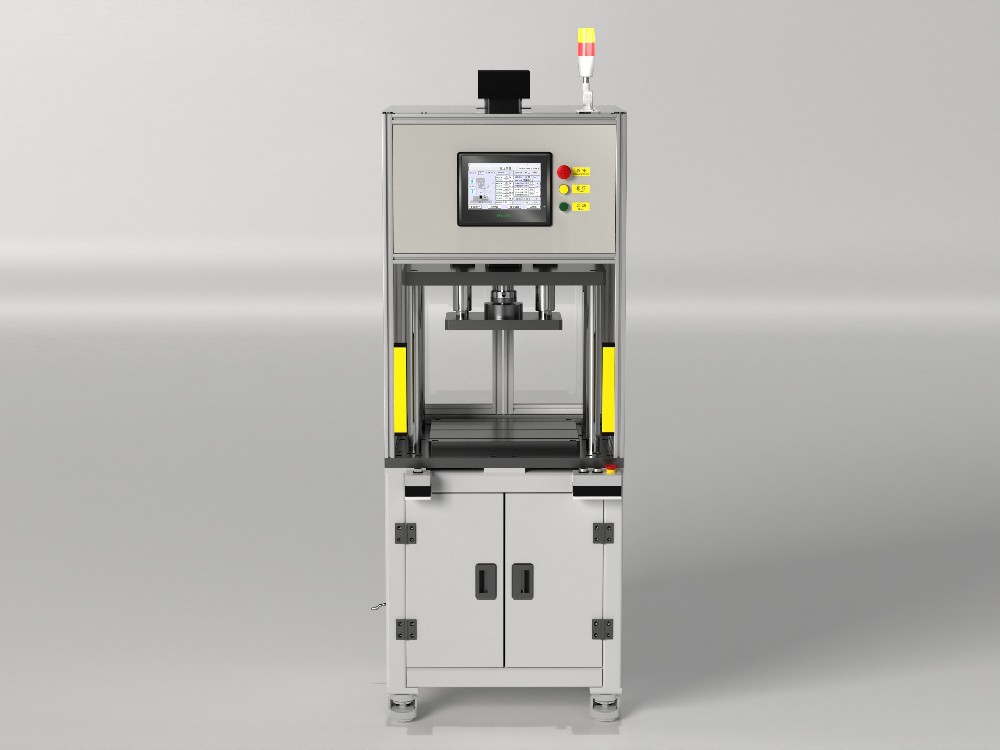 ↗
A four-column guided platform for press fitting, forming and fixture integration.
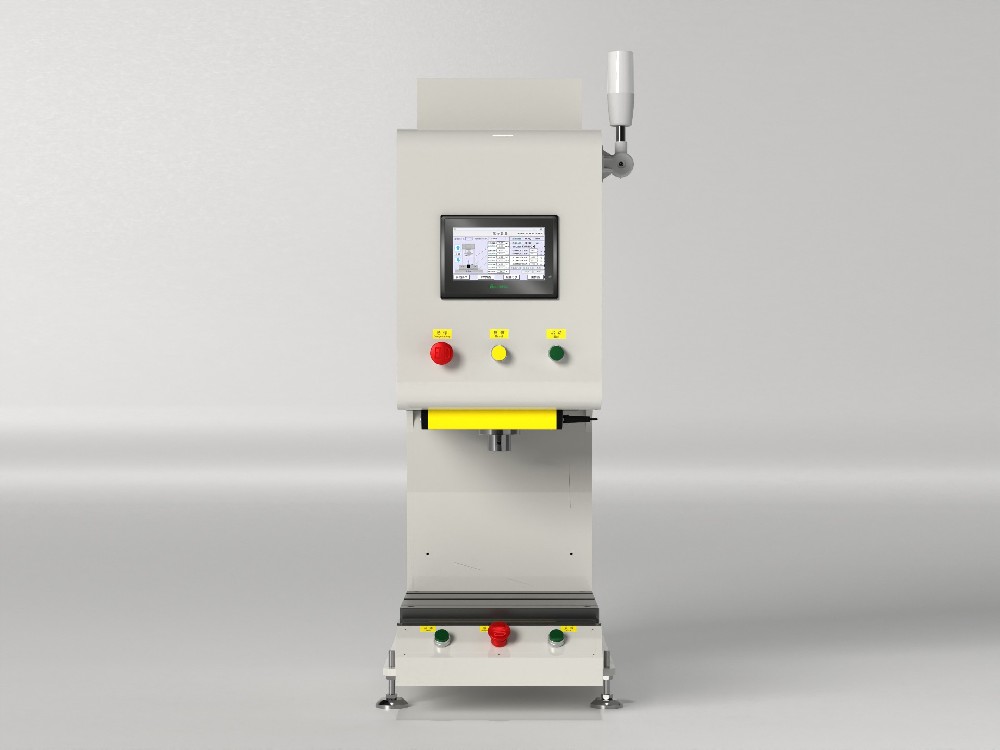 ↗
Open access for loading and tooling adjustments in stand-alone assembly stations.
Tell us about your part, process and cycle requirements. Start with an engineering conversation.