Part & assembly
Part drawings, materials and interference; identify support, loading surfaces and final seating requirements.
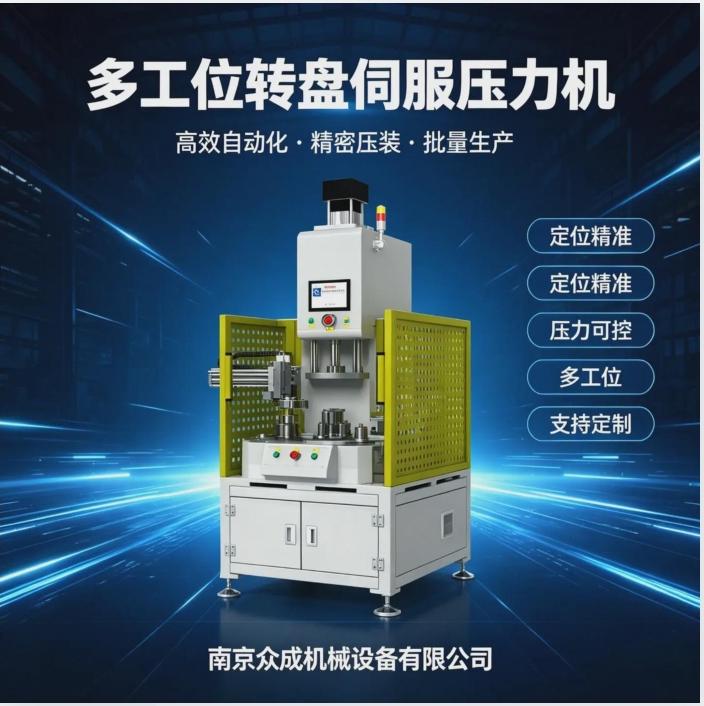
Catalogue image · Configuration subject to proposal
Developed around the workpiece and cycle requirements, combining fixturing, feeding, pressing and process checks.
This page introduces the product family. Final specifications, features and scope are defined in the agreed technical proposal.
Start with part location, pressing sequence and cycle time to plan a single station, multiple stations or a rotary table. Define fixturing, feeding, handling, inspection, identification and data handover within the station scope.
Bushing, bearing and motor-component assemblies can combine pressing and seating checks. Where position or angular mismatch matters, evaluate alignment options such as floating heads against part tolerances, fixture location and trial results.
Provide part drawings, assembly relationships, acceptance criteria, cycle time, line interfaces and handling method. Separate the machine, tooling, feed system and software integration in the quotation.
View full image ⤢A multi-station concept combines location, pressing, inspection and transfer. Check cycle time, part routing, changeover and NG handling at each station. The brochure image illustrates equipment layout; station count, feeding and inspection are defined per project.
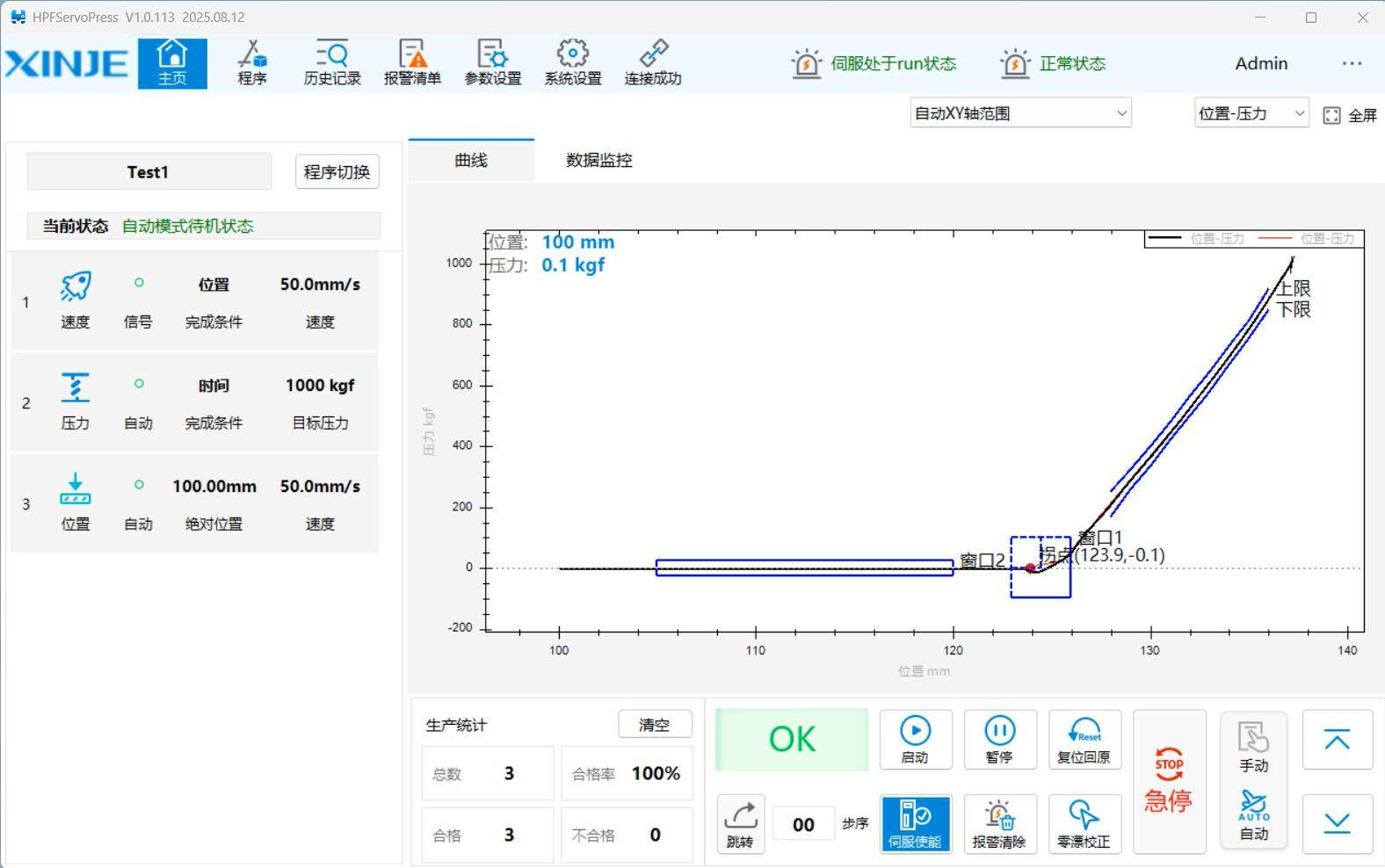
Illustrative sequence; validate targets, speed, time and evaluation criteria for the part.
 View full image ⤢
The original XINJE branding is retained to illustrate process steps and curve management. Touch-PC and HMI history/curve capabilities differ; verify versions, retained content and permissions against the supply specification.
Original Chinese interface retained; the explanation below describes its purpose.
Third-party reference · Image source:XINJE Electric · HPF solution · p.10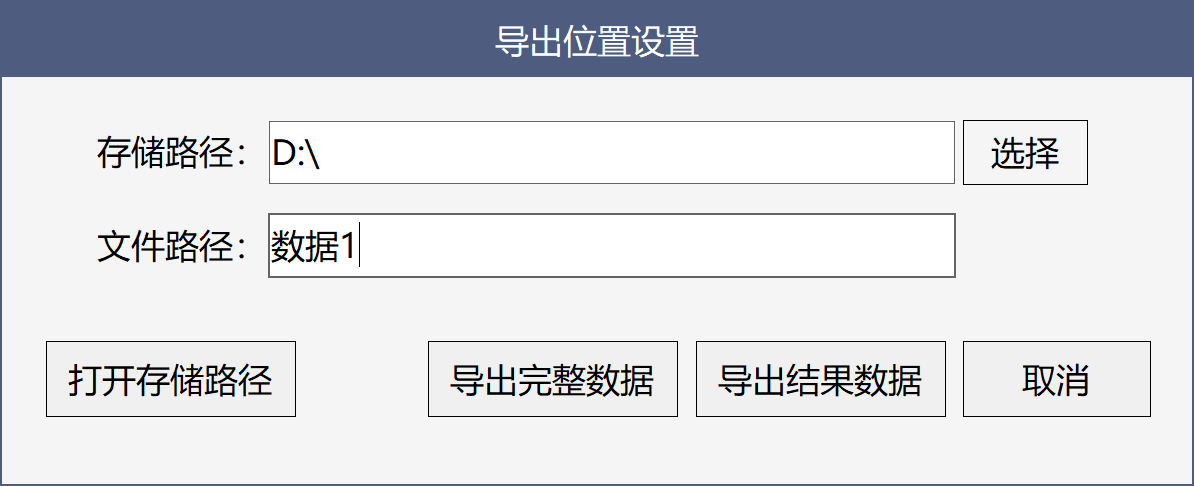 View full image ⤢
This PC manual distinguishes result CSV from full-curve CSV. Define part ID, timestamps, recipe and retention before confirming export content. USB result-report export alone does not imply full historical-curve export.
Original Chinese interface retained; the explanation below describes its purpose.
Third-party reference · Image source:YZJ-1000 PC manual · software 2.1.46.55 · p.7Part drawings, materials and interference; identify support, loading surfaces and final seating requirements.
Scope for actuator, motor/drive, sensors, controller, cables, tooling and guarding; define PLC/MES interfaces.
Good and defective samples, evaluation rules, result or full-curve retention, barcodes and interfaces.
Specify control modes, force–position curves, OK/NG evaluation and traceability for your selected controller.
Read the guide ↗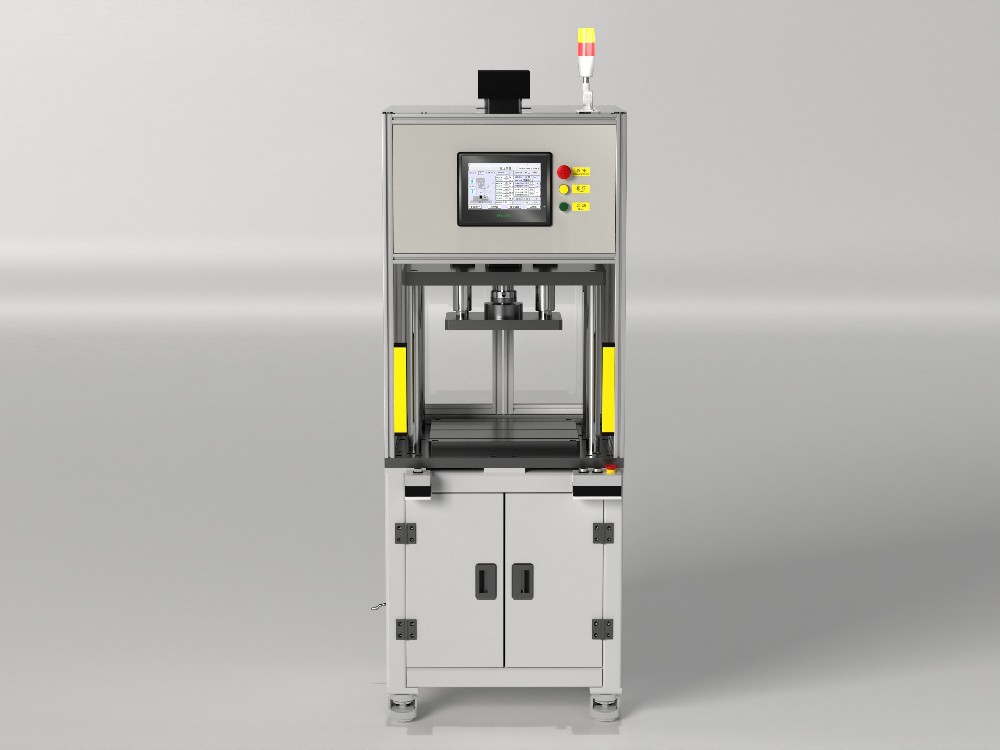 ↗
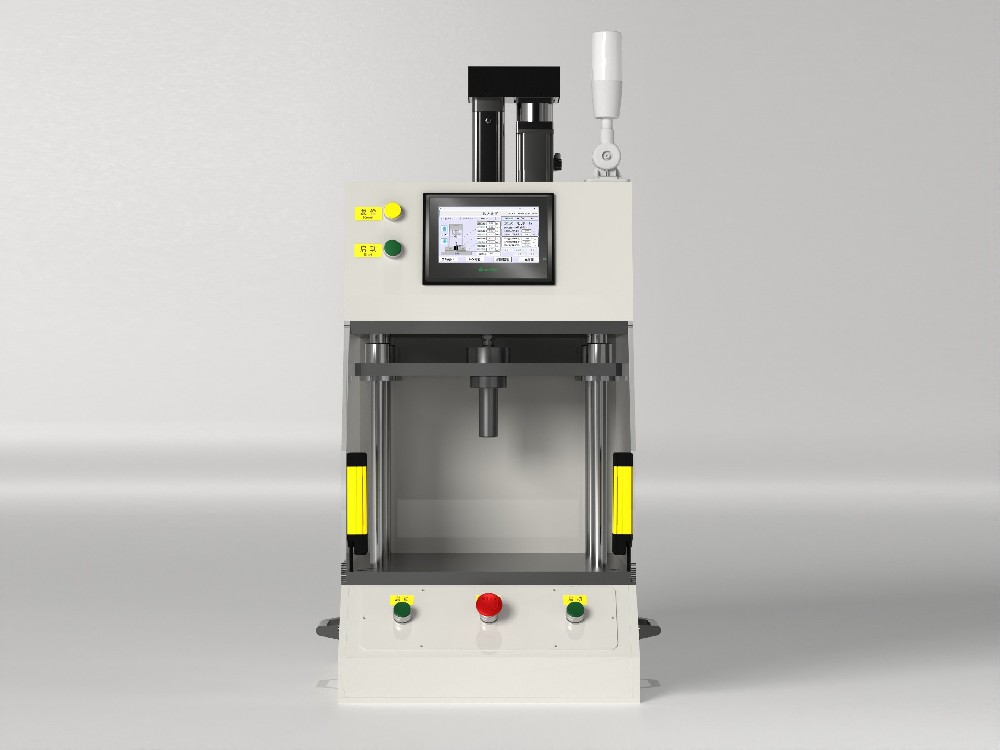
A four-column guided platform for press fitting, forming and fixture integration.
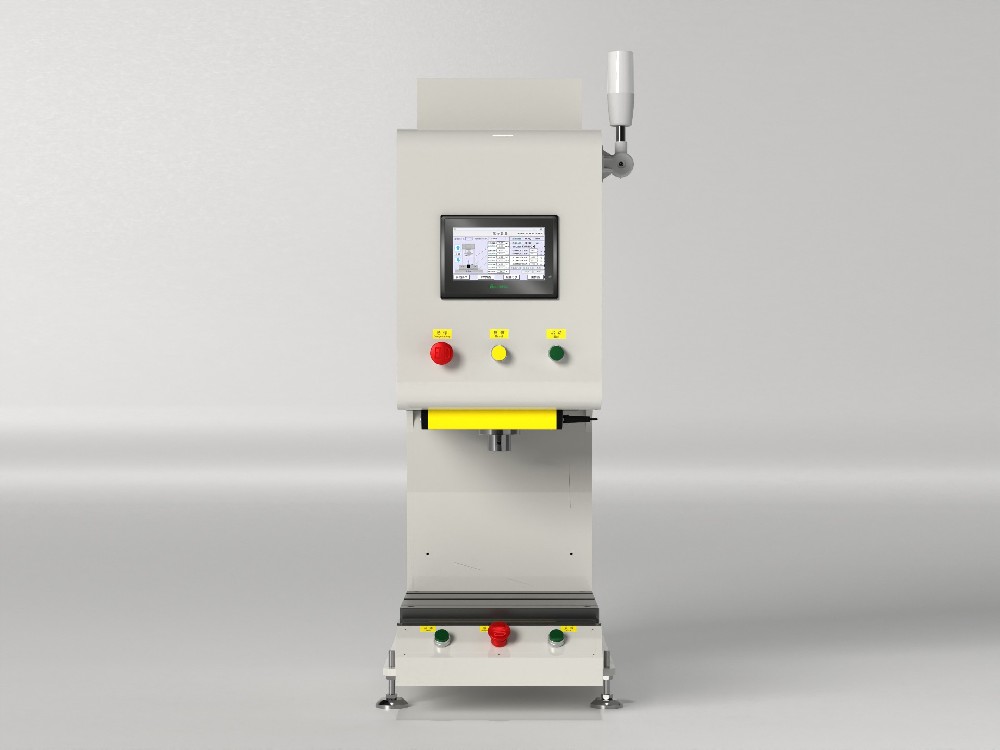 ↗
Open access for loading and tooling adjustments in stand-alone assembly stations.
 ↗
A compact benchtop layout for small-part assembly and process trials with dedicated fixtures.
Tell us about your part, process and cycle requirements. Start with an engineering conversation.